Biodiversity and Snail Farming: A Natural Approach
Updated: Mar 20
Snail farming, often overlooked in the agricultural landscape, is emerging as a sustainable practice that not only contributes to biodiversity but also offers a viable source of income. With the increasing demand for escargot and snail-derived products, this unique form of farming is gaining traction. In this blog post, we will explore how snail farming can positively impact biodiversity and the environment while providing practical insights for those interested in this natural approach.
Understanding Biodiversity
Biodiversity refers to the variety of life on Earth, encompassing the diversity of species, ecosystems, and genetic variations. It plays a crucial role in maintaining ecological balance and resilience. High biodiversity contributes to ecosystem services such as pollination, nutrient cycling, and climate regulation. Unfortunately, human activities have led to significant biodiversity loss, making it imperative to adopt practices that support and enhance it.
The Role of Snail Farming in Biodiversity
Snail farming, or heliciculture, can be a sustainable agricultural practice that supports biodiversity in several ways:
Habitat Creation: Snail farms can provide habitats for various organisms, including beneficial insects and plants. By creating a diverse environment, these farms can enhance local ecosystems.
Soil Health: Snails contribute to soil health through their waste, which acts as a natural fertilizer. This organic matter enriches the soil, promoting the growth of diverse plant species.
Pest Control: Snails can help control pest populations naturally. By maintaining a balanced ecosystem, they reduce the need for chemical pesticides, which can harm biodiversity.
Sustainable Practices: Many snail farmers adopt organic farming methods, avoiding harmful chemicals and promoting biodiversity. This approach aligns with the principles of sustainable agriculture.
Getting Started with Snail Farming
If you're considering venturing into snail farming, here are some essential steps to get you started:
Choosing the Right Species
Selecting the appropriate snail species is crucial for successful farming. Common species in Australia:
Helix aspersa: Also known as the common garden snail, it is widely farmed for its culinary value.
Setting Up the Farm
Creating a suitable environment for your snails is vital. Consider the following:
Location: Choose a location with adequate shade and protection from extreme weather conditions.
Soil: Snails thrive in moist, well-drained soil rich in organic matter. Conduct a soil test to ensure optimal conditions.
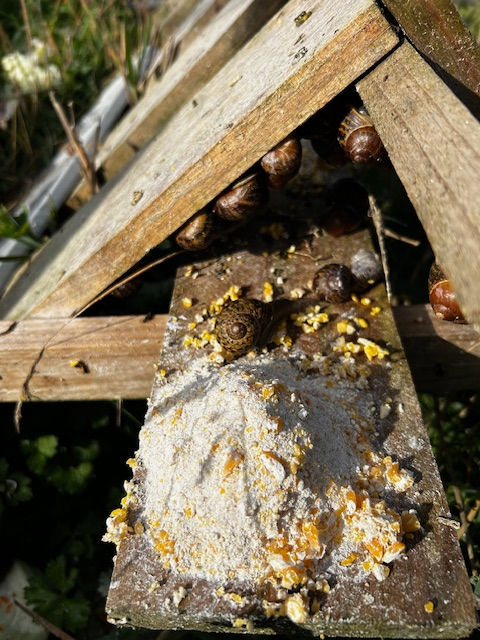
Shelter: Provide shelters such as wooden boxes or shaded areas where snails can retreat from harsh conditions.
Feeding and Care
Snails are herbivores and require a balanced diet for optimal growth. Their diet can include:
Leafy greens (e.g., lettuce, kale)
Fruits (e.g., apples, bananas)
Calcium sources (e.g., crushed eggshells, limestone) to support shell development
Regular monitoring of their health and environment is essential. Ensure they have access to clean water and maintain proper humidity levels.
Economic Benefits of Snail Farming
Beyond its ecological advantages, snail farming can be a lucrative venture. Here are some economic benefits:
Low Startup Costs: Compared to traditional livestock farming, snail farming requires minimal investment. You can start small and expand as you gain experience.
High Market Demand: The culinary world has seen a surge in demand for escargot and snail-based products. This trend opens up various market opportunities for farmers.
Value-Added Products: Snails can be processed into various products, including cosmetics, dietary supplements, and gourmet foods, increasing their market value.
Sustainable Income: Snail farming can provide a steady income stream, especially in regions where traditional agriculture faces challenges due to climate change or soil degradation.
Challenges in Snail Farming
While snail farming offers numerous benefits, it is not without challenges. Here are some common issues farmers may face:
Disease Management
Snails can be susceptible to diseases and parasites. Implementing biosecurity measures, such as maintaining cleanliness and monitoring snail health, is crucial to prevent outbreaks.
Environmental Factors
Extreme weather conditions, such as heavy rainfall or drought, can impact snail populations. Farmers should be prepared to adapt their practices to changing environmental conditions.
Market Fluctuations
Like any agricultural venture, snail farming is subject to market fluctuations. Staying informed about market trends and consumer preferences can help farmers navigate these challenges.
Promoting Biodiversity Through Snail Farming
To maximize the positive impact of snail farming on biodiversity, consider the following practices:
Crop Rotation
Integrating snail farming with crop rotation can enhance soil health and reduce pest populations. This practice promotes a diverse ecosystem, benefiting both snails and crops.
Companion Planting
Planting complementary crops alongside snail farms can create a more diverse habitat. For example, planting herbs or flowers can attract beneficial insects that aid in pest control.
Community Engagement
Engaging with local communities and sharing knowledge about sustainable practices can foster a culture of biodiversity conservation. Collaborating with local organizations can amplify the positive impact of snail farming.
Conclusion
Snail farming presents a unique opportunity to support biodiversity while providing economic benefits. By adopting sustainable practices and promoting ecological balance, farmers can contribute to a healthier planet. As the demand for snail products continues to grow, embracing this natural approach can lead to a more sustainable future for agriculture.
As you consider the potential of snail farming, remember that every small step towards sustainability counts. Whether you are a seasoned farmer or a newcomer, your efforts can make a difference in promoting biodiversity and supporting the environment. Start exploring the world of snail farming today and be part of the solution for a more sustainable future.


Comments